A Shop Teacher Followed a "Professional" Cabinet Plan to the Letter. Every Shelf Came Out Short.
What he found explains the wobbly shelf, the gap you filled with putty, and the lost Saturday. It has nothing to do with skill.
You know the moment. The clamps come off and the shelf drops in a quarter inch short. Or the cabinet rocks on the garage floor like a diner table with a bad leg.
You stand there, sawdust on your forearms, wasted lumber at your feet, thinking something you'd never say out loud: maybe I'm just not handy.
Hold that thought. In 1989, a woodworking teacher watched the same thing happen to three of his students in one morning.
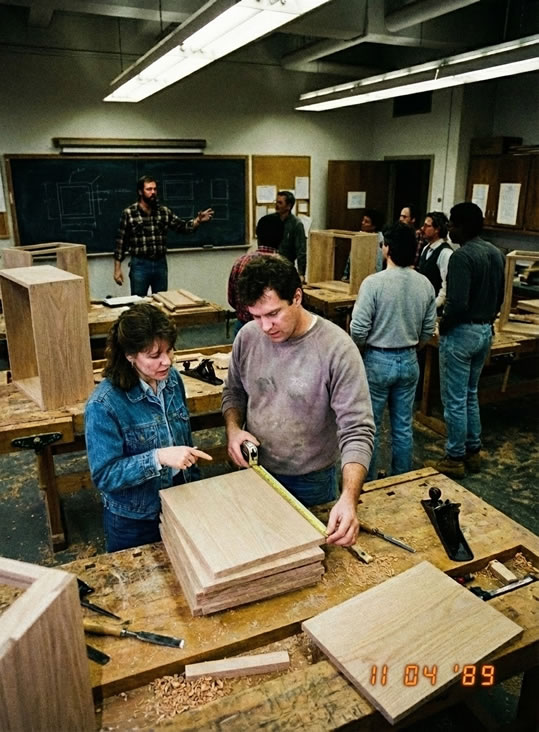
It was a white oak cabinet. A Saturday class, eight people, every skill level, building from a plan out of a popular woodworking magazine. Professional layout. The kind of thing you'd trust.
By step six, three people were stuck. One had already cut his side panels from the diagram. White oak, cut right to the line. Wrong.
Not because he couldn't measure. Because the plan was wrong.
Measure a 2x4. Go ahead.
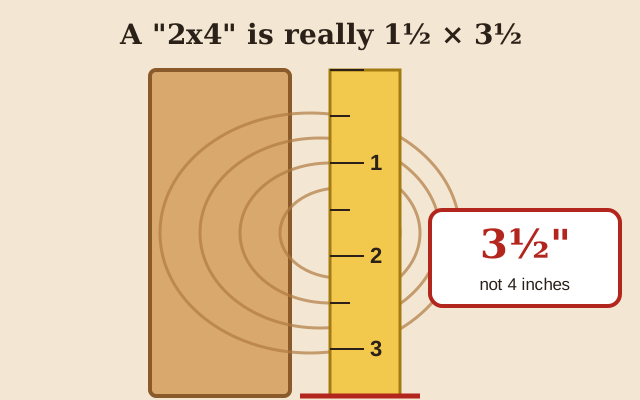
Every board you buy is smaller than its name, because the name is the size it was sawn to before it was dried and planed smooth. That magazine plan's dado measurements assumed the name, not the board.
Lay three boards side by side and you're 1½ inches short. That's the gap you filled with putty.

A lot of plans are drawn on a screen by someone who never built the project. The cut list is wrong before you pick up the saw.
So you do everything right. You buy the lumber, clear your Saturday, and get started. Then around step four or five, it goes sideways.
- A measurement that doesn't match the diagram, and you've already made the cut.
- A step that jumps from "cut the side panels" to "attach the face frame" with nothing in between.
- A materials list off by just enough to send you back to the lumber yard. Twice.
The rule he made after that cabinet


The teacher was Ted McGrath. According to Ted, he took that plan home, threw it out, and built the cabinet himself, measuring every joint. His next class used the rewritten plan. Nobody got stuck.
His rule ever since: never hand anyone a plan until it has been built in the shop first, with real lumber, and fixed wherever it didn't fit.
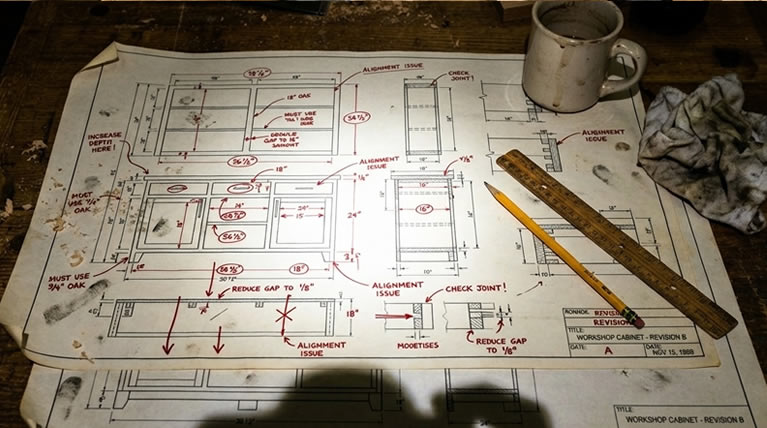
What he does with every plan before anyone else sees it is something most plan sellers skip. He walks through it in a short video. It's why his projects go together the first time.
What a Saturday feels like when the plan is right
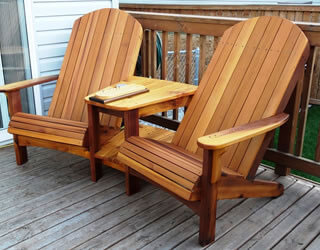


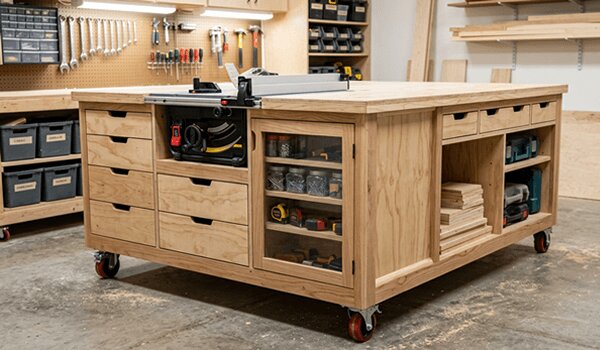

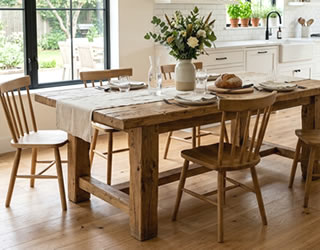
You buy what the list says. You cut what the list says. The joints close tight, the cabinet sits flat, you lean on it and nothing moves.
A bench, shelves, a porch swing: the kind of thing you'd otherwise buy flat-packed or pay someone a fortune to build.
 Hi. My name is Ted McGrath.
It was never your hands. It was the plan. In a short video on the next page, Ted shows you how you can build it yourself, instead of spending a fortune hiring someone to do it for you.
Watch Ted show you how →